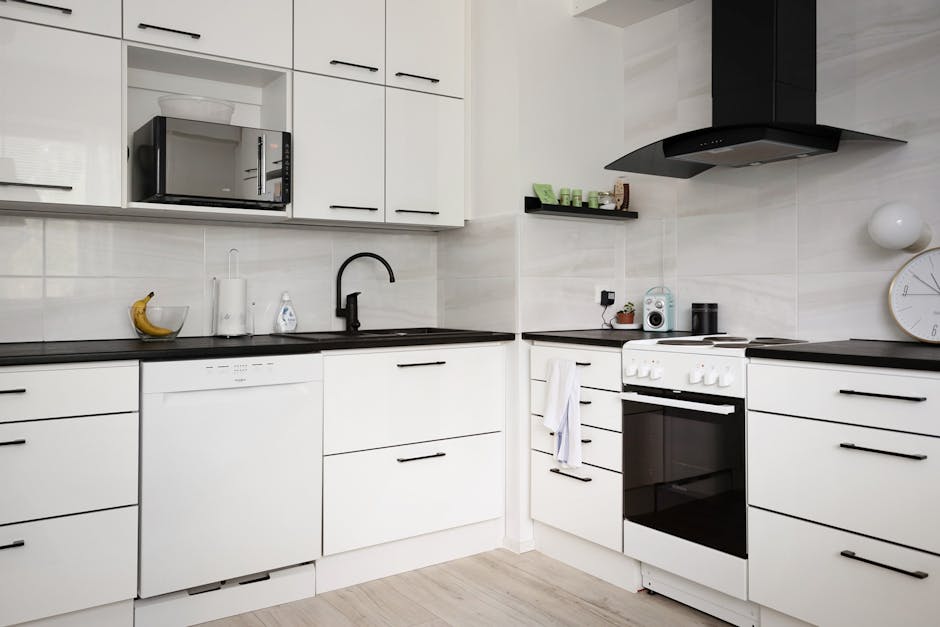
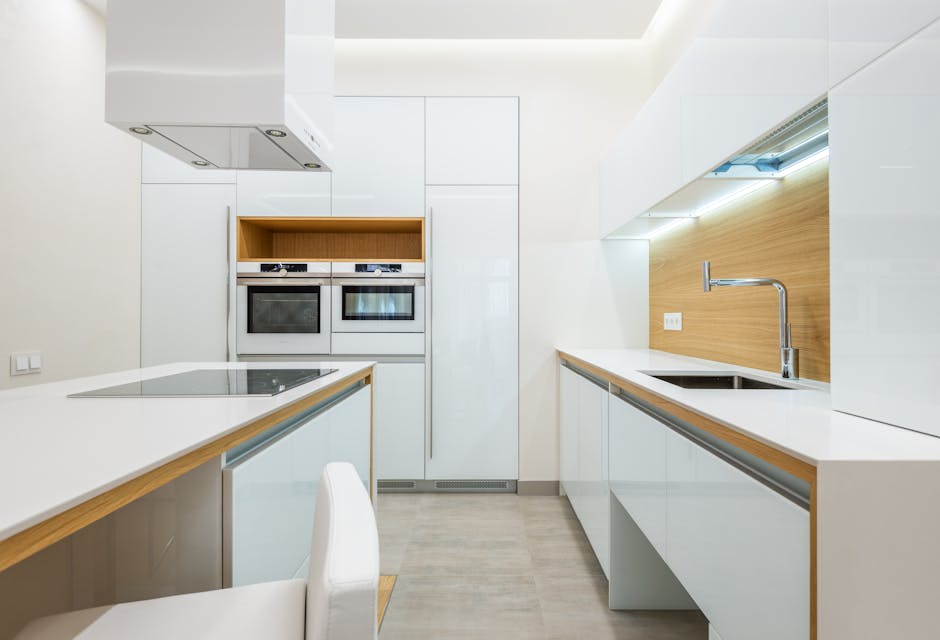
Oven cleaning Angel N1 guide for flats and kitchens
If you live in Angel N1, you already know the kitchen can be the busiest room in the flat. Tea, toast, Sunday roasts, quick pasta dinners after work, and the occasional "I'll deal with that later" tray all leave a mark. This Oven cleaning Angel N1 guide for flats and kitchens is here to make the whole thing feel less daunting and a lot more manageable.
Whether you rent a compact flat, own a busy family kitchen, or you're getting ready for an inspection, a proper oven clean does more than make the appliance look better. It helps with hygiene, keeps smells under control, and can even make everyday cooking feel easier. Truth be told, most ovens are ignored for far too long because cleaning them sounds worse than it is. It isn't glamorous. But it is doable.
Below, you'll find a practical guide to what oven cleaning involves, how it works in London flats and kitchens, what mistakes to avoid, and when to consider a professional service. For related home care support, you may also find the pages on deep cleaning in Islington, one-off cleaning services, and end of tenancy cleaning in Islington useful alongside this guide.
Why Oven cleaning Angel N1 guide for flats and kitchens Matters
An oven is one of those appliances that quietly affects everything else in the kitchen. A clean one bakes more evenly, produces fewer burnt smells, and is generally more pleasant to use. A neglected one can leave grease splatters on the glass, smoke when you preheat it, and make the whole flat smell faintly of last month's roast potatoes. Not ideal, especially in an N1 flat where kitchen ventilation may already be limited.
In smaller homes, oven mess tends to build up faster because cooking happens close to living areas. You notice it more. The smell lingers in soft furnishings. The extractor gets greasy quicker. And if you share a kitchen, nobody wants to be the person who left a sugary spill to bake on for three weeks. It happens, of course. Life happens. Still, the build-up is avoidable.
There is also the practical side. If you are moving out, preparing for guests, or simply trying to keep a tidy home, oven cleaning becomes part of the bigger picture. It sits alongside regular household maintenance, not as a luxury, but as a sensible habit. That is why services such as house cleaning in Islington and domestic cleaning support often pair naturally with detailed appliance care.
Expert summary: A well-cleaned oven is less about perfection and more about keeping your kitchen usable, hygienic, and easier to maintain week after week.
How Oven cleaning Angel N1 guide for flats and kitchens Works
Professional oven cleaning is usually a methodical process rather than a quick wipe-over. The aim is to break down baked-on grease, remove carbonised residue, and clean the parts that everyday household cleaning tends to miss. In most cases, the work involves a combination of non-caustic or low-odour cleaning solutions, soaking, agitation, and careful hand detailing.
For flats in Angel N1, the process often needs a bit of adaptation. Space can be tight. Sinks may be small. Access may be awkward. A cleaner has to work neatly, protect surrounding surfaces, and avoid soaking the kitchen in fumes or splash-back. That is one reason many people choose a service that understands local homes rather than a one-size-fits-all approach.
A proper clean normally includes the oven cavity, racks, trays, doors, seals, fan area where accessible, and the surrounding panels. Some services also cover hobs and extractor exteriors. If you are booking this as part of a larger refresh, you might look at a combined service through services overview or pair it with spring cleaning in Islington for a more complete result.
There are two broad ways people tackle an oven:
- DIY cleaning for lighter build-up or routine upkeep.
- Professional deep cleaning for heavy grease, end-of-tenancy resets, or neglected ovens.
In practice, most homes benefit from a mix of both. A professional deep clean sets the base line, and simple regular maintenance keeps it that way. Simple enough, really.
Key Benefits and Practical Advantages
There is a reason oven cleaning has a better payoff than many other chores. You feel the benefit immediately. The kitchen smells fresher. The oven window clears up. Cooking becomes less stressful because you can actually see what is going on in there.
Here are the main advantages:
- Better hygiene: Grease, splashes, and food debris are removed before they become stubborn or unhygienic.
- Less smoke and smell: Burnt residue is often what creates that unpleasant haze when the oven heats up.
- Improved cooking visibility: You can see food through the glass instead of guessing.
- More efficient day-to-day use: A clean appliance is easier to monitor and maintain.
- Better impression for renters and landlords: This matters a lot at the end of a tenancy.
- Lower stress in shared flats: No one enjoys dealing with a grimy oven after someone else's dinner night.
There is also a practical aesthetic advantage. Kitchens in Angel often have to do a lot with a little space, so clean appliances make the whole room feel sharper and calmer. That matters more than people think. A tidy oven can make a small kitchen feel less crowded, less greasy, less "we'll sort that later."
For households juggling more than one cleaning priority, a targeted appliance clean can sit neatly beside carpet cleaning in Islington or upholstery cleaning support as part of a broader reset.
Who This Is For and When It Makes Sense
This guide is useful for a wide range of people, but it is especially relevant if you live in a flat or apartment where kitchen space is tight and cooking happens often. That said, the need shows up in very ordinary situations.
You may want oven cleaning if you are:
- Moving out and want the property to look properly cared for
- Moving in and want to start with a hygienic kitchen
- Hosting guests and do not want lingering cooking smells
- Dealing with smoke during preheating
- Noticing grease around the glass, seals, or trays
- Trying to stay on top of a busy family kitchen
- Managing a shared flat where no one has time for a full deep clean
For tenants, this matters a great deal near the end of a tenancy. Ovens are one of those items landlords and letting agents inspect closely because grime is obvious and easy to photograph. A spotless oven can make the rest of the kitchen feel more complete. If you are planning a move, the page on end of tenancy cleaning in Islington is worth a look too.
For homeowners, the trigger is often less urgent. It might be that you simply open the oven door one day and think, "Right, that's enough." That moment usually arrives after a few cooked dinners too many. Fair enough. It happens to the best of us.
Step-by-Step Guidance
If you are cleaning an oven yourself, a calm step-by-step approach works far better than attacking it randomly. Rushing usually just spreads grease around and makes the job feel twice as long. Here's a sensible way to do it.
- Switch off and cool the appliance. Never start while the oven is warm. Give it proper time to cool down.
- Remove loose parts. Take out racks, trays, and any removable panels or shelves that the manufacturer says can be safely removed.
- Protect the surrounding kitchen. Lay down towels or newspaper near the oven if you are using liquid cleaner. In a flat, a little splash can quickly become a bigger mess than expected.
- Vacuum or wipe out crumbs. Dry debris gets in the way of cleaning products.
- Apply your chosen cleaner. Use an oven-safe product and follow the label carefully. Avoid mixing products. That is never worth the risk.
- Let the cleaner dwell. This is the bit people rush. The product needs time to soften grease and baked residue.
- Agitate stubborn patches. Use a non-scratch pad, soft brush, or cloth. Gentle pressure beats brute force.
- Wipe thoroughly. Remove all residue so nothing is left to smoke or smell when the oven is heated again.
- Clean the glass and seals. These areas show dirt quickly and affect the overall look.
- Dry and reassemble. Make sure everything is fully dry before switching the appliance back on.
If the oven is heavily soiled, a single pass is rarely enough. You may need to repeat parts of the process rather than scrubbing harder. A second soak often does more than ten minutes of frustration. Better to be patient than aggressive.
For a professionally scheduled clean, it is sensible to review pricing and quotes so you know what level of service you need and whether it is part of a larger home clean.
Expert Tips for Better Results
A few small habits make oven cleaning much easier in the long run. These are the details that get overlooked, then suddenly your oven looks like a science experiment. Not ideal.
- Clean little and often. A quick wipe after the oven cools can prevent hardened build-up.
- Deal with spills early. Sugary or oily spills are much harder to remove once baked on.
- Use the right cloths. Microfibre works well for finishing because it lifts residue without leaving lint.
- Don't flood the appliance. Too much liquid can seep into unwanted areas, especially around controls or seals.
- Ventilate the room. Even low-odour cleaners are easier to work with if you open a window for a bit.
- Check your manual. Some ovens have coatings or parts that should not be treated with abrasive products.
One useful tip from real-world flat cleaning: do the kitchen in stages. Clean the oven, then let it dry while you handle worktops or the sink. That way you are not waiting around. It feels less like a chore mountain and more like a sequence of manageable jobs.
If you like keeping the whole home on a consistent schedule, a recurring or occasional one-off cleaning visit can be a practical way to keep things from sliding backwards. And yes, sliding backwards does happen faster than we'd like.
Common Mistakes to Avoid
Oven cleaning seems straightforward until you hit the usual traps. These are the errors that make the process slower, messier, or more risky than it needs to be.
- Using too much product: More cleaner does not mean better results. It often means more wiping.
- Scratching the interior: Abrasive tools can damage coatings and leave permanent marks.
- Ignoring the seals: Dirt around the door seal affects appearance and can trap grease.
- Cleaning while the oven is hot: This is uncomfortable at best and unsafe at worst.
- Forgetting the racks and trays: A shiny cavity looks odd beside filthy shelving.
- Leaving residue behind: Anything left inside can smoke or smell later.
- Trying to force open stuck parts: If something does not move easily, stop and check the manual or get help.
One less obvious mistake is not checking the extractor or nearby splash zones. In small Angel kitchens, grease spreads beyond the oven itself. The wall behind the cooker, the edge of the worktop, and the cooker hood can all hold onto grime. Clean one part and ignore the rest, and the kitchen still looks half-done. Annoying, but true.
Tools, Resources and Recommendations
You do not need a huge kit for effective oven cleaning, but having the right basics makes everything smoother. Keep it simple.
| Tool or item | Best use | Useful note |
|---|---|---|
| Microfibre cloths | Wiping and finishing | Good for residue removal and drying surfaces |
| Non-scratch sponge or pad | Light agitation | Safer for most oven interiors than harsh abrasives |
| Soft brush | Edges, corners, and rack detailing | Handy for grease in awkward spots |
| Oven-safe cleaner | Breaking down grease | Always follow the label and ventilation advice |
| Rubber gloves | Protecting hands | Especially useful for longer cleans |
| Towels or floor protection | Preventing drips and splash damage | Very useful in smaller flats with limited workspace |
If you want a more complete refresh beyond the oven, a broader service can make sense. The pages on deep cleaning and spring cleaning are useful if the kitchen needs more than one appliance sorted at once.
When choosing a provider, look for clear communication, sensible expectations, and a service that explains what is included. You do not need sales fluff. You need clarity. That's usually the best sign.
Law, Compliance, Standards, or Best Practice
For household oven cleaning, there is not usually a complex legal process to worry about. Still, sensible best practice matters, especially if you are using chemical products, working in a rented home, or arranging access for a cleaner.
Good practice generally includes:
- Following the product instructions carefully
- Ventilating the room during and after cleaning
- Avoiding product mixing
- Keeping children and pets away from the work area until dry and safe
- Checking the appliance manual for coating or part-specific care guidance
- Using insured, trustworthy providers when hiring help
If you are booking a cleaner into a flat, access, parking, entry instructions, and security all matter. It sounds obvious, but missed details can delay a visit. Pages such as insurance and safety, health and safety policy, and terms and conditions help set expectations in a transparent way.
For anyone concerned about service standards, it is also reasonable to check how a company handles complaints or follow-up concerns. That kind of openness says a lot.
Options, Methods, or Comparison Table
There is no single best method for every oven. The right choice depends on condition, time, budget, and how much elbow grease you want to spend on it. Below is a simple comparison to help you decide.
| Method | Best for | Pros | Watch-outs |
|---|---|---|---|
| Light DIY wipe-down | Regular upkeep and minor grease | Cheap, quick, flexible | Not enough for heavy carbon build-up |
| Full DIY deep clean | Moderately soiled ovens | Lower cost, more control | Time-consuming; easy to miss hidden residue |
| Professional oven cleaning | Heavy build-up, tenancy reset, busy households | Detailed, efficient, less hassle | Needs booking and clear access |
| Bundle with broader cleaning | Whole-kitchen refresh or move-out clean | More complete result, less admin | Usually best when several areas need attention |
For most busy households, the decision is pretty simple. If you just need a maintenance clean, DIY may be enough. If the oven has built up layers over months, or you need a clean result for a flat handover, professional help saves time and stress. And sometimes, yes, your Saturday is worth preserving.
Case Study or Real-World Example
Picture a one-bedroom flat in Angel. The tenant cooks most evenings, uses the oven for meal prep, and has a standard fan oven with a glass door that now looks a bit cloudy. There are a few baked-on marks on the base, greasy rails, and a smell that becomes obvious when the oven warms up. Nothing dramatic. Just neglected.
Rather than tackling everything in one frantic go, the cleaner or homeowner breaks the job into stages. First the racks come out. Then the loose crumbs are removed. The oven cavity is treated, left to dwell, and cleaned in sections. The door glass gets a separate pass. The hood and nearby splash area are wiped at the same time so the kitchen feels coherent, not half-finished.
The difference afterwards is not only visual. The oven preheats without that slight burnt smell. Food looks easier to check through the glass. The room feels fresher in the evening, even when the radiator is on and the windows are only cracked open a little. Small change, big relief.
That is the real value of oven cleaning in a flat. It gives you back a part of the home that quietly affects daily comfort. Not flashy. Just useful.
Practical Checklist
Use this quick checklist before you start, or before you book a service.
- Oven is switched off and completely cool
- Racks, trays, and removable parts are identified
- Cleaner or tools are suitable for the appliance finish
- Kitchen floor and nearby surfaces are protected
- Windows or extractor can be used for ventilation
- Hard-to-reach spots around seals and glass are included
- Nearby cooking zones, hood, and splashback are checked
- Final wipe-down is done with clean, dry cloths
- Everything is fully dry before the oven is turned back on
- If hiring a service, access details and expectations are clear
Quick takeaway: the best oven clean is not the most aggressive one; it is the one that removes grime safely, thoroughly, and without creating a new mess in the process.
Conclusion
A good oven clean in Angel N1 is about more than sparkle. It is about making a flat kitchen easier to use, more pleasant to live with, and less of a headache when life is already busy enough. Whether you clean it yourself or bring in help, the important thing is to stay ahead of the build-up rather than waiting until the oven becomes a weekend project nobody wants.
If your kitchen needs more than a quick tidy, it can make sense to combine oven cleaning with a broader domestic refresh. The right service should feel clear, practical, and built around real homes, not a checklist written for nowhere in particular. And if you are comparing options, start with what matters most: quality, trust, and how much time you want back in your week.
Get a free quote today and see how much you can save.
Sometimes the smallest home jobs make the biggest difference to how a place feels. A clean oven quietly does that. Every time.
Frequently Asked Questions
How often should I clean my oven in a flat?
For most homes, a light clean every few weeks and a deeper clean every few months is a sensible rhythm. If you cook often, roast food regularly, or notice smoke and smells, you may need to clean it more frequently. There is no perfect schedule, but consistency helps a lot.
Is professional oven cleaning worth it for small kitchens?
Yes, especially in smaller kitchens where grease and smell build up quickly. A professional clean can save time, reduce mess, and get into corners that are easy to miss. In a compact Angel flat, that can make a noticeable difference.
Can I clean the oven myself safely?
Yes, if you follow the product instructions, ventilate the room, and avoid abrasive tools or harsh chemical mixing. DIY is fine for lighter build-up. If the oven is heavily soiled, a professional may be the safer and less frustrating option.
What parts of the oven should be cleaned?
The main cavity, door glass, racks, trays, seals, and accessible internal areas should all be cleaned. If possible, the surrounding splash zones and cooker hood should also be checked so the kitchen looks and feels properly refreshed.
Does oven cleaning remove burnt smells?
It often helps a great deal. Burnt-on grease and food residue are common causes of cooking smells and smoke. Once those are removed, the oven usually smells much fresher when heated.
What should I do before an oven cleaner arrives?
Clear the area around the oven, make sure access is easy, and remove any items stored inside or on top of it. If you live in a flat, it also helps to make entry instructions and parking or buzzer details clear in advance.
Is oven cleaning included in end of tenancy cleaning?
It often is, but not always in the same depth. Some tenancy cleans include a standard oven clean, while heavily neglected appliances may need a more detailed service. It is best to check exactly what is included before booking.
How long does oven cleaning usually take?
Timing depends on condition, size, and the method used. A lightly soiled oven may be quicker, while a heavy build-up takes longer because the cleaner needs time to work on baked-on residue. Patience usually gives the better result.
Will oven cleaning damage the appliance?
Not when it is done properly. The main risks come from using the wrong products, aggressive scouring, or ignoring the manufacturer's care guidance. A careful clean should protect the appliance, not harm it.
Can oven cleaning be combined with other domestic cleaning tasks?
Absolutely. Many people combine it with kitchen deep cleaning, spring cleaning, or a broader one-off tidy-up. That can be especially helpful if you want the whole flat to feel fresher, not just the oven.
What is the best way to keep an oven cleaner for longer?
Wipe up spills as soon as the oven is cool, remove crumbs regularly, and deal with greasy splashes before they harden. Small habits make a huge difference. A few minutes now beats an all-day scrub later.
How do I choose a trustworthy oven cleaning service in Angel N1?
Look for clear service descriptions, transparent pricing, sensible safety information, and a professional approach to access and communication. Pages like about us, insurance and safety, and complaints procedure can help you judge how seriously a company takes service quality and accountability.