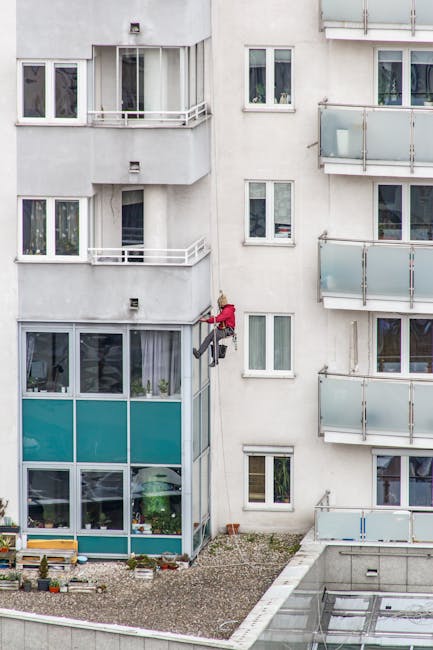
Access problems for bulky cleaning jobs in Angel flats
If you have ever tried to move a sofa, deep-clean a bulky mattress, or bring specialist cleaning kit into a flat in Angel, you will know the awkward bit is not always the cleaning itself. It is the access. Narrow stairwells, tight turns, lift restrictions, awkward parking, and shared entrances can turn a straightforward job into a logistical puzzle. That is especially true in older mansion blocks, converted buildings, and compact modern flats where every corridor seems to shrink once equipment arrives.
This guide breaks down Access problems for bulky cleaning jobs in Angel flats in plain English. You will learn why access matters, how the process works in real life, what to check before booking, and how to reduce delays, risk, and stress. If you are planning a one-off deep clean, an end of tenancy clean, or a specialist task such as sofa cleaning or carpet cleaning, a little preparation can save a lot of grief later. Truth be told, the difference between a smooth visit and a frustrating one is often decided before anyone walks through the front door.
Table of Contents
- Why access problems matter in Angel flats
- How access planning works in practice
- Key benefits and practical advantages
- Who this is for and when it makes sense
- Step-by-step guidance
- Expert tips for better results
- Common mistakes to avoid
- Tools, resources and recommendations
- Law, compliance, standards and best practice
- Options, methods and comparison
- Case study or real-world example
- Practical checklist
- Conclusion
- Frequently asked questions
Why Access problems for bulky cleaning jobs in Angel flats Matters
Access is not a minor detail. It affects how safely a bulky clean can be carried out, how long it takes, whether specialist equipment can be used properly, and whether the job is completed without damage to walls, bannisters, flooring, or furniture. In a flat, especially one in a busy part of London like Angel, the layout often matters more than the size of the cleaning task itself.
A bulky job might involve moving heavy items, carrying a cleaning machine upstairs, or setting up hoses and cables in a building with limited space. If access is tight, the team may need to adapt the process. That can mean extra handling, more time for setup and pack-down, or a change in technique altogether. None of that is a problem if it is planned. It becomes a problem when it is discovered at the door.
There is also a trust angle here. A customer wants to know that the cleaners will respect the property and the neighbours. A contractor wants to avoid avoidable risk. Building managers want common areas kept tidy and safe. All three groups benefit from a plan that deals with access before the first bucket is filled.
Expert summary: in bulky cleaning jobs, access is part of the service, not an afterthought. If you plan the route in, the actual clean becomes faster, safer, and usually more effective.
How Access problems for bulky cleaning jobs in Angel flats Works
In practice, access planning starts with a simple question: how will the cleaner, the equipment, and any heavy items reach the work area without causing disruption? The answer depends on the flat, the building, and the job type.
For example, a single-room domestic clean may only require standard kit. But if the job includes deep cleaning upholstery, moving a large rug, or tackling post-build dust, the team may need larger equipment, extra protective materials, or a second person to help with lifting. That is where the access conversation becomes crucial.
Typical access checks for Angel flats include:
- stair width and turning space
- lift size, working hours, and booking rules
- parking restrictions and loading distance
- entry codes, concierge procedures, or intercom access
- floor protection needs in hallways and entrances
- noise limits, neighbour concerns, and time windows
Sometimes the issue is as simple as a narrow hallway that makes a vacuum or steam cleaner awkward to manoeuvre. Sometimes it is more involved: a top-floor flat with no lift, a shared stairwell with low headroom, or a basement flat where equipment has to be carried down a tight passage. You will notice this quickly once the job starts. It is one of those things that feels obvious only after someone says, "Right, this is a bit snug."
Good cleaners do not just turn up and hope for the best. They ask questions, note the route, and decide whether the job can be done in one visit or needs a different setup. That is especially important for specialist work like one-off cleaning, deep cleaning, or end of tenancy cleaning, where there is often more equipment and more moving around than people expect.
Key Benefits and Practical Advantages
Sorting access issues early is not just about avoiding hassle. It creates real practical advantages for both the client and the cleaning team.
- Less damage risk: careful planning reduces scuffs on paintwork, dents to doors, and knocks to furniture.
- Faster job completion: the team spends less time improvising and more time cleaning.
- Better equipment choice: the right machine can be selected for the space, rather than assuming everything will fit.
- Fewer surprises on the day: nobody likes discovering the lift is out of service when a heavy item is already at the front door.
- Safer working conditions: clear access reduces lifting strain and trip hazards.
- Better neighbour relations: a tidy, efficient visit is less disruptive in shared blocks.
One of the less obvious benefits is improved quality. When cleaners are not battling awkward access, they can give more attention to detail. That matters in flats where items are close together and surfaces are easy to miss if equipment placement is poor. In other words, access does not just affect logistics; it affects the finish.
If you are comparing providers, it is worth asking how they handle access in the quote stage. A good cleaning company will not treat that as a nuisance question. They will probably welcome it.
Who This Is For and When It Makes Sense
This topic matters to a wide range of people in Angel. Not everyone needs to think about access every week, but when you do, it tends to matter a lot.
- Tenants leaving a flat: especially if there are large sofas, mattresses, rugs, or heavy appliances to work around.
- Landlords and letting agents: access problems can affect turnaround times and inventory schedules.
- Homeowners and flat owners: useful when planning a seasonal deep clean or post-renovation tidy-up.
- Property managers: shared buildings need careful coordination to avoid complaints or delays.
- Anyone booking specialist cleaning: upholstery, carpets, ovens, and post-build jobs often need more kit than basic domestic cleaning.
It also makes sense if you live in a building with awkward features: split-level flats, converted terraces, narrow Victorian stairs, or shared entrances with limited waiting space. Even a modern building can be difficult if lift access is restricted or if the service lift is booked out all day. Let's face it, "new build" does not always mean "easy access."
If you are only booking a light refresh, access may be straightforward. But if the task involves bulky furniture, wet cleaning equipment, or multiple technicians, the value of planning goes up fast.
Step-by-Step Guidance
Here is a practical way to approach bulky cleaning access in Angel flats without overcomplicating it.
- Measure the route. Check stair width, tight corners, door widths, and lift dimensions if relevant. Do not guess. Measuring with a tape is dull, yes, but it saves embarrassment.
- Identify the bulky items. List anything large that needs moving, cleaning, or working around: sofas, divan bases, wardrobes, rugs, chairs, mattresses, or large appliances.
- Tell the cleaner what is awkward. Mention low ceilings, spiral stairs, narrow hallways, shared entrances, or a no-parking zone nearby.
- Confirm building rules. Ask about lift bookings, concierge restrictions, waste removal times, or protective coverings for communal areas.
- Prepare the space. Clear smaller objects, secure pets, and keep a clean route from the entrance to the work area.
- Protect the surfaces. If needed, use runners, dust sheets, corner protection, or non-slip coverings.
- Agree timing and staffing. A two-person lift may be necessary for heavier items or tighter stair access.
- Have a backup plan. If access turns out to be worse than expected, be ready to reschedule part of the job or change the method.
A lot of access problems are solved by this one habit: sending clear information before the appointment. A quick photo of the stairwell or entrance can be more useful than a long message. Not glamorous, but effective.
For jobs involving carpets, rugs, and soft furnishings, it may also help to combine services on the same visit. For example, pairing rug cleaning with upholstery cleaning can reduce repeat access issues, provided the building layout allows it.
Expert Tips for Better Results
After you have handled enough flat-based cleaning jobs, a pattern appears: the best outcomes come from simple preparation, not heroic improvisation.
- Send photos from the actual route. The front door, staircase, lift, and landing often tell the whole story.
- Be precise about "bulky." A compact upright vacuum is very different from a large extraction machine.
- Check daylight and timing. Early starts can help with parking and lift availability, while late afternoon jobs may clash with neighbours returning home.
- Use floor protection before anything is moved. Once a mark is there, everybody becomes very interested in cleaning politics, which is never fun.
- Allow extra time for shared access. Intercom delays, concierge sign-ins, and lift waits add up quickly.
If the job is especially complex, ask whether the team has experience with after builders cleaning or similarly awkward properties. Those jobs often involve dust, debris, and tricky access in one package, so the crew is more likely to think carefully about logistics from the start.
A small but useful tip: keep a clear path from the entrance to the working area the night before. It sounds obvious, but in real life a basket, a drying rack, and two pairs of shoes have a mysterious habit of appearing right where they should not.
Common Mistakes to Avoid
Most access problems are not caused by the building alone. They are often made worse by small planning errors.
- Assuming the lift will be available. It might be booked, out of service, or too small for the equipment.
- Ignoring parking and loading restrictions. In London, even a short carry from the kerb can change the whole setup.
- Forgetting shared areas. Corridors and stairwells need to stay safe and tidy for neighbours.
- Not flagging heavy furniture in advance. A cleaner cannot plan for what they do not know about.
- Leaving the route cluttered. It wastes time and increases trip risk.
- Booking the wrong service type. A standard clean is not always enough for a complex flat with bulky items and limited access.
One mistake we see often is underestimating how long a task will take once access becomes awkward. A job that looks "small" on paper can become a half-day visit if the equipment has to be carried up several flights. That is not anyone being difficult; it is just the reality of flat access.
Tools, Resources and Recommendations
You do not need a warehouse full of gear to handle access issues well. In many cases, the right basic tools and a sensible plan are enough.
- Tape measure: useful for doors, hallways, and lift openings.
- Phone camera: photos of the route are often more helpful than descriptions alone.
- Dust sheets and corner guards: protect surfaces during movement.
- Non-slip mats or runners: helpful in communal or polished areas.
- Task checklist: keeps key details in one place, especially when several people are involved.
For general housekeeping and ongoing flat maintenance, services such as domestic cleaning, house cleaning, and home cleaners can be useful when access is simpler and regular upkeep prevents jobs from becoming too bulky in the first place. That is the quiet win: less build-up means fewer heavy interventions later.
If you are dealing with bulky belongings rather than cleaning alone, a house clearance service may be the more realistic choice. Sometimes the issue is not cleaning access at all but getting items out safely and efficiently.
Law, Compliance, Standards, or Best Practice
For this kind of work, the key thing is not a single dramatic rule. It is good practice around safety, access, and responsibility. In the UK, cleaners and property occupants generally have a shared duty to avoid foreseeable hazards, especially in common areas where others may pass through.
Best practice usually includes:
- keeping communal routes clear where possible
- avoiding unnecessary obstruction in stairwells and entrances
- using safe lifting methods for heavy or awkward items
- protecting walls, floors, and doors during access
- checking insurance and safety arrangements before the job begins
If a provider has a clear health and safety policy and evidence of insurance and safety practices, that is a good sign. It does not solve every access issue on its own, but it shows the business is thinking beyond the surface level.
It is also sensible to read service terms carefully. For example, if a building has access restrictions or if a lift is unavailable, a provider may need to adjust timing, staffing, or method. Clear expectations upfront tend to prevent awkward conversations later. No one enjoys those.
Options, Methods, or Comparison Table
Different access setups call for different approaches. Here is a simple comparison of common options.
| Access situation | Best approach | Typical upside | Main drawback |
|---|---|---|---|
| Wide stairs, easy parking | Standard visit with normal equipment | Fast, low stress, flexible | Few, if any |
| Narrow stairwell, no lift | Smaller kit, two-person handling, extra time | Safer movement through tight spaces | Slower and more physically demanding |
| Lift available but limited in size | Pre-check dimensions and book timing | Reduces carrying and disruption | Lift delays can still happen |
| Bulky items plus cleaning required | Combine cleaning with clearance or staged work | Better sequencing and fewer repeat visits | Needs more planning |
| Building access restrictions | Coordinate with concierge or management | Fewer delays at entry | Dependence on third-party timing |
For some flats, a one-off cleaning visit is the simplest route. For others, especially those with furniture that cannot be moved easily, a broader plan involving cleaners who can work around the building layout is the smarter option. There is no single perfect method. It depends on the route, the items, and the level of disruption you can tolerate.
Case Study or Real-World Example
Picture a typical Angel flat: first-floor conversion, narrow staircase, shared entrance, and a front room with a large corner sofa, a rug, and a few heavy bits that need attention. On paper it looks manageable. In practice, the staircase turns sharply at the half landing, and the sofa will not take the corner unless it is tilted and moved slowly with two people.
The most sensible approach in that situation is not to force the job. Instead, the cleaner checks the route in advance, confirms whether parking is available nearby, and decides whether the work should be split into stages. The rug might be cleaned in place, while the sofa is moved carefully to a protected area and cleaned after the route is cleared. If the access is especially tight, the team may ask for more time or suggest a separate visit.
That sounds very ordinary, and that is the point. Good access planning is rarely dramatic. It just quietly prevents a mess of small problems: scratched paint, delayed starts, tense neighbours, tired staff, and a disappointed customer standing in the hallway wondering why the job suddenly looks twice as hard.
In a slightly more complicated flat, access planning can also determine whether specialist services like oven cleaning or window cleaning can be completed in the same visit. If equipment has to be moved through a narrow route, sequencing becomes everything.
Practical Checklist
Use this checklist before any bulky cleaning job in an Angel flat:
- Measure doors, corridors, stairs, and any lift openings.
- Confirm whether a lift exists and whether it will actually be working.
- Check parking, loading, and entry restrictions.
- Tell the cleaner about large furniture, rugs, or awkward items.
- Clear the route from entrance to the work area.
- Protect floors and corners where movement is likely.
- Ask how many people will attend and how long the access setup may take.
- Notify building management if communal areas may be affected.
- Keep pets and children away from the access route.
- Have a backup plan if the job needs to be rescheduled or split.
Quick takeaway: if you are unsure, over-prepare rather than under-prepare. A five-minute access check can save an hour of awkward carrying later. Honestly, it is one of the easiest wins you can get.
Conclusion
Access problems for bulky cleaning jobs in Angel flats are common, but they are rarely unsolvable. The key is to treat access as part of the job planning, not a separate issue that gets sorted at the front door. Once you know the route, the size of the items, the building rules, and the equipment needed, most of the stress drops away.
Whether you are arranging a deep clean, preparing for a move-out, or dealing with a property that has more furniture than floor space, a clear access plan will usually make the whole process calmer and more efficient. Small checks. Clear communication. A bit of patience. That is often all it takes.
Get a free quote today and see how much you can save.
And if the flat feels a bit tricky, that is fine. Most places do. With the right preparation, even the awkward ones can be handled properly, and that brings a welcome sense of relief at the end of the day.
Frequently Asked Questions
What are the most common access problems for bulky cleaning jobs in Angel flats?
The most common issues are narrow staircases, small lifts, restricted parking, shared entrances, and tight internal corridors. In older conversions, the turning space on the stairs can be the real challenge.
How do I know if my flat access is too tight for bulky cleaning equipment?
Measure the route from the entrance to the room being cleaned, including doors, corners, stairs, and lift openings. If a large item or machine cannot turn safely, it may need a different method or additional manpower.
Should I tell the cleaner about access issues before booking?
Yes, absolutely. The earlier you mention access issues, the better the provider can plan staffing, equipment, and timing. It often prevents delays and extra costs later.
Can bulky cleaning jobs still be done without a lift?
Often, yes. Many jobs can still be completed without a lift, but the team may need extra time, smaller equipment, or two-person handling. Very heavy or awkward items can change the setup quite a bit.
What should I clear before a cleaning team arrives?
Clear small items, shoes, bags, loose cables, and anything that blocks the route. The cleaner still needs room to move safely, especially in hallways and around doorways.
Will access problems affect the price of the job?
They can. Extra time, special handling, or difficult carrying conditions may influence the quote. The best approach is to describe the access clearly at the start so any pricing is realistic.
Is it better to combine several bulky cleaning tasks into one visit?
Sometimes it is. If access is awkward, combining services can reduce repeat disruption. That said, the route and the equipment needed should still be checked first.
What if the building manager has rules about moving equipment?
Then those rules should be followed. It is usually best to speak with the manager or concierge in advance so there are no surprises when the team arrives.
What kind of services are most affected by access issues?
Services involving large or heavy items are the most affected, such as sofa cleaning, carpet cleaning, rug cleaning, and some deep cleaning jobs. Post-build work can also be tricky because of the extra equipment involved.
How can I reduce the risk of damage in tight flat access?
Use floor protection, keep the route clear, and make sure the team knows about narrow turns or low headroom. Slow, careful movement is much better than trying to force oversized items through a tight space.
What if I am not sure whether my flat is suitable for a bulky clean?
Take a few photos of the entrance, hallway, stairs, and main room, then share them with the provider when asking for a quote. A quick visual check is often enough to spot the main risks.
Why is access planning especially important in Angel?
Angel has a mix of converted flats, period buildings, and denser urban layouts, so access can vary a lot from one property to the next. The street outside may be lively and busy, while the stairwell inside is surprisingly tight. That contrast is exactly why planning matters.