Health and Safety Policy for Oven Cleaning Islington
 This health and safety policy sets out the standards followed during oven cleaning in Islington to protect customers, staff, property, and the wider environment. It applies to every stage of the service, from arrival and inspection to cleaning, waste handling, and final checks. The aim is to maintain a safe working practice, reduce avoidable risks, and ensure that all cleaning activity is carried out in a responsible and controlled manner.
The policy is based on a simple principle: safety first. Oven cleaning can involve hot surfaces, sharp edges, strong degreasers, electrical components, and slippery floors. Because of this, all work is planned carefully before any product is used. Staff are expected to behave in a professional way, use suitable protective equipment, and follow agreed procedures at all times. This applies equally to domestic kitchens, rental properties, and commercial settings.
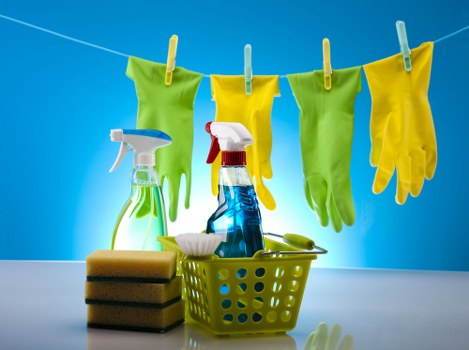 Before any oven cleaning service begins, a risk assessment is completed to identify hazards and choose the safest method of work. The technician checks the appliance condition, nearby surfaces, ventilation, and any signs of damage or overheating. If a risk cannot be controlled safely, the work may be adjusted, postponed, or declined. This careful approach helps ensure that oven cleaning safety remains central throughout the service.
All staff are trained to use cleaning materials correctly and to understand product labels, dilution requirements, and exposure limits. Only approved products are used, and they are selected for effectiveness as well as safety. Wherever possible, low-odour and low-toxicity solutions are preferred. Chemicals are stored securely, transported in sealed containers, and never left unattended in customer premises. Proper handling reduces the chance of skin irritation, respiratory discomfort, or accidental spills.
Personal protective equipment is required whenever cleaning tasks involve chemical exposure, grime removal, or contact with residues. This may include gloves, masks, eye protection, and suitable clothing. Equipment is checked before use and replaced when worn or damaged. In addition, the working area is prepared to protect surrounding items such as worktops, flooring, cabinets, and decorative finishes. Covers and protective sheets are used where necessary to prevent splashes or staining.
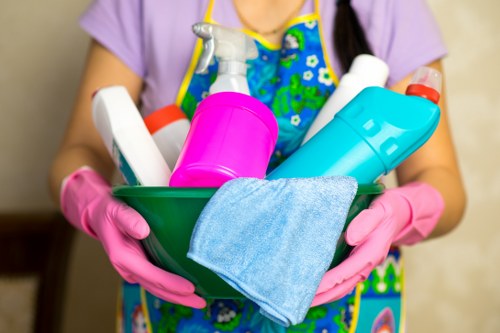 Fire and electrical safety are especially important during professional oven cleaning. Appliances must be isolated when appropriate, and the technician must avoid contact with live electrical parts, heating elements, or sensitive controls. The oven must be cool before cleaning begins unless a controlled method is specifically approved for warm surfaces. Any sign of wiring damage, gas leakage, unstable fittings, or unusual heat behaviour is treated seriously and reported immediately.
Housekeeping standards are maintained throughout the task to prevent slips, trips, and falls. Floor areas are kept clear of tools, packaging, and residue. Spillages are cleaned promptly, and warning measures are used if surfaces remain wet. Staff avoid rushing, because careful movement is essential in narrow kitchen spaces. Safe posture and sensible lifting techniques are also followed when removing trays, panels, or other detachable parts.
Hygiene is another key part of this policy. Cloths, brushes, and reusable equipment are cleaned after each job to avoid cross-contamination. Waste materials are collected and disposed of responsibly, with attention to any greasy residue or used product containers. The cleaning process is designed to leave the oven hygienic without introducing new contamination into the kitchen. Staff are expected to wash hands after handling chemicals and before leaving the property.
The centre of our approach is the controlled use of methods that are effective but proportionate. This means avoiding unnecessary force, protecting delicate finishes, and respecting the condition of the appliance. If parts need to be removed for access, they are handled carefully and returned correctly. Any damage discovered during the process is documented, and the customer is informed in a clear and factual manner. This helps maintain trust and supports good practice in Islington oven cleaning.
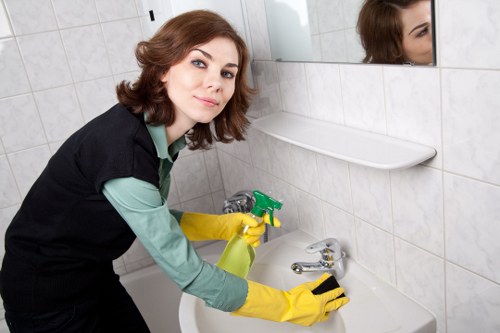 Communication is vital to safe working. Before starting, the technician confirms any special instructions, known faults, allergies, access concerns, or restrictions affecting the kitchen space. Customers are also advised to keep children and pets away from the work zone until cleaning is complete and the area is safe to re-enter. Where ventilation is needed, windows or extractor systems may be used to support air circulation and reduce product build-up.
Supervision and accountability are built into the service. Staff are expected to follow company procedures, report hazards, and stop work if conditions become unsafe. Near misses, incidents, and equipment failures are recorded so that lessons can be learned and standards improved. Regular reviews help ensure that the policy remains current, practical, and suitable for different types of ovens and kitchen layouts. This supports safe oven cleaning in Islington without unnecessary complication.
Environmental care is also included in the policy. Products are used efficiently to minimise waste, and the choice of materials reflects a commitment to lower-impact cleaning wherever possible. Packaging is reduced where feasible, and disposal follows responsible practice. Careful product use not only protects the environment but also helps create a safer working area by reducing excess residue and avoiding over-application.
 Training is reviewed regularly so that technicians remain competent in safe methods, product use, emergency response, and customer-area protection. New staff are supervised until they can demonstrate correct working standards. Refresher training is provided to reinforce key habits such as checking equipment, recognising hazards, and maintaining safe distances from heated or fragile components. In this way, oven cleaning professionals are supported to work consistently and responsibly.
In the event of an incident, immediate action is taken to reduce harm. First aid is provided where needed, the area is made secure, and the issue is reported according to procedure. If chemical contact, a burn, or an electrical concern occurs, the relevant emergency response is followed without delay. The priority is always the wellbeing of everyone present and the safe completion or suspension of the task.
Overall, this policy reflects a practical commitment to health and safety in oven cleaning. By combining careful preparation, correct product use, protective measures, and clear communication, the service can be delivered safely and professionally. The result is a cleaner appliance, a protected kitchen environment, and a reliable standard of care for every property visited.