End of Tenancy Cleaning in Islington: A Practical, SEO-Friendly Overview for Renters and Landlords
Moving out of a rented property can feel exciting, stressful, and time-sensitive all at once. In a busy area like Islington, where flats, maisonettes, and shared homes turn over quickly, end of tenancy cleaning in Islington is more than a final tidy-up. It is a thorough process designed to help tenants leave the property in excellent condition, support landlords in preparing for new occupants, and reduce the risk of disputes over the deposit.
If you are preparing for a move, understanding what end of tenancy cleaning actually involves can save time, reduce stress, and improve your chances of handing back the keys with confidence. From ovens and skirting boards to bathrooms, carpets, and hidden corners, every detail matters. Cleanliness is often one of the biggest factors in deposit returns, so leaving the home spotless can make a real difference.
Islington’s property market is known for its mix of period terraces, modern apartments, converted buildings, and compact urban homes. That variety means cleaning expectations can differ from property to property, but the principle is always the same: the home should be returned in a clean, presentable, and hygienic condition. Whether you are a tenant, landlord, or letting agent, this article explains what to expect from professional end of tenancy cleaning in Islington and why it matters.
What End of Tenancy Cleaning Really Means
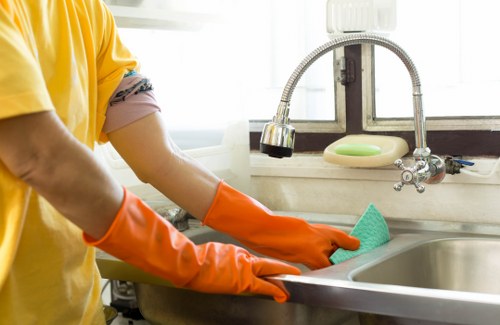
End of tenancy cleaning is a deep clean carried out when a tenant moves out of a property. It is much more detailed than regular domestic cleaning and focuses on removing built-up dirt, stains, grease, limescale, dust, and grime from the entire home. The objective is simple: restore the property to a condition that meets the expectations of landlords, letting agents, and incoming tenants.
In Islington, this service is particularly important because rental homes often face high occupancy turnover. Kitchens and bathrooms can accumulate stubborn residue over time, while living areas and bedrooms may collect dust in places that are easy to miss during day-to-day cleaning. A proper end of tenancy cleaning in Islington targets those overlooked areas and helps ensure nothing is left behind.
Unlike a standard weekly clean, this process can include cupboards, appliances, light switches, fixtures, fittings, window frames, door handles, upholstery, and interior glass. In many properties, it also includes carpet and upholstery care, depending on the tenancy agreement and the condition of the property at the start of the lease.
Why End of Tenancy Cleaning Matters in Islington
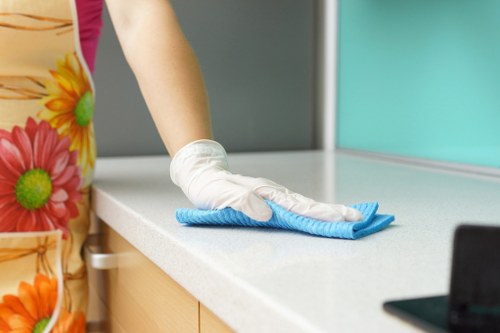
Islington is one of London’s most desirable boroughs, with a strong rental market and a constant flow of professionals, students, couples, and families. Because properties move quickly, landlords and agents often expect a high standard of cleanliness at the end of a tenancy. That is why end of tenancy cleaning in Islington has become a practical necessity rather than an optional extra.
For tenants, the biggest benefit is the potential to protect their deposit. If the property is returned in a condition that matches the inventory and the tenancy agreement, the chances of deductions are reduced. For landlords, a thorough clean can speed up the re-letting process, improve property presentation, and support a better first impression for prospective tenants.
There is also a health and hygiene angle. Deep cleaning removes dust, mould spores, grease, and bacteria that can linger in a property for months. In high-traffic homes and shared rental spaces, that level of cleaning helps create a fresher environment and a more pleasant handover.
Common reasons people book this service
- To meet tenancy agreement cleaning standards
- To improve the chance of a full deposit return
- To save time during a stressful move
- To prepare the property for new tenants quickly
- To clean areas that are difficult to reach or forgotten in routine cleaning
What Is Included in End of Tenancy Cleaning in Islington?

A proper end of tenancy cleaning in Islington usually covers the entire property from top to bottom. The exact checklist can vary, but most services focus on the main living spaces, kitchen, bathrooms, bedrooms, hallways, and any additional rooms or storage areas.
Kitchen cleaning tends to be one of the most intensive parts of the job. Grease, food residue, and limescale are common issues. The oven, hob, extractor fan, splashbacks, cupboards, sink, and worktops are usually cleaned thoroughly. In many cases, appliances such as fridges, freezers, and dishwashers are also cleaned inside and out if they are included in the tenancy.
Bathrooms require special attention because soap scum, mould, and mineral deposits can build up quickly. Professional cleaning often includes the toilet, bathtub, shower screen, tiles, taps, mirrors, and any visible fixtures. Bedrooms and living rooms are dusted and wiped down, while skirting boards, switches, doors, and reachable surfaces are addressed as part of the finishing work.
Typical areas covered
- Kitchen appliances and surfaces
- Bathroom fittings, tiles, and sanitaryware
- Dusting of furniture and surfaces
- Interior windows and frames
- Doors, handles, and light switches
- Floors, carpets, and skirting boards
- Storage areas, shelves, and cupboards
Some properties may need extra services such as carpet cleaning, upholstery treatment, or appliance degreasing. In Islington’s older buildings, there may also be attention needed for vents, sash windows, or decorative mouldings that collect dust over time.
How to Prepare for End of Tenancy Cleaning

Preparation can make the cleaning process smoother and more effective. Before the cleaners arrive, it helps to remove all personal belongings, pack up valuables, and clear surfaces where possible. The less clutter there is, the easier it is to clean thoroughly and access corners, shelves, and behind furniture.
If the property is empty, that often makes end of tenancy cleaning in Islington more efficient. Empty rooms allow cleaners to work across floors, skirting boards, sockets, and lower surfaces without obstruction. If furniture remains, the cleaner may still work around it, but full access usually results in a more complete finish.
It is also sensible to check your tenancy agreement and inventory report before booking the service. This helps identify any specific requirements, such as professional carpet cleaning, oven cleaning, or the condition in which appliances should be left. Having those details in mind makes it easier to avoid disputes later.
Helpful preparation steps
- Remove all personal items and rubbish.
- Defrost fridges and freezers if they need cleaning.
- Report any damage separately so it is not confused with dirt.
- Share access details and any special instructions.
- Confirm which areas are included in the service.
Book your service now if your move-out date is approaching and you want to avoid a last-minute rush. A little planning can make the difference between a stressful handover and a smooth exit.
Why Professional Cleaning Can Be Worth It

Some tenants try to complete the end of tenancy clean on their own, and while that can work for smaller or lightly used properties, professional cleaning often delivers a better result. Skilled cleaners know where dirt hides, how to treat different surfaces safely, and how to tackle stubborn marks without causing damage.
In a busy borough like Islington, time is often limited during a move. Packing, changing addresses, managing removals, and handling utility transfers can take up most of the day. Hiring help for end of tenancy cleaning in Islington can reduce pressure and allow you to focus on the rest of the move.
Professional cleaning can also be more consistent. An experienced cleaner typically follows a structured checklist, uses the right tools and products, and works methodically through the property. That consistency is especially useful when the property needs to meet a strict inspection standard.
Benefits of professional cleaning
- Better results on stubborn dirt and stains
- More efficient use of time during a move
- Improved chances of meeting inventory standards
- Less stress and physical effort
- Cleaner presentation for landlords and agents
End of Tenancy Cleaning for Different Property Types in Islington
Islington has a diverse housing stock, and that diversity affects how end of tenancy cleaning should be approached. A small studio flat in Angel may need a very different cleaning plan from a large period townhouse in Highbury or a shared flat near Holloway Road. Understanding the property type helps set realistic expectations and ensures the work is tailored correctly.
For apartments and flats, the focus is usually on efficient use of time and detail. Compact kitchens, tiled bathrooms, and smaller living spaces can still hold a surprising amount of grime, especially in corners and around appliances. For houses and maisonettes, additional stairs, extra rooms, and more surface area can increase the workload.
Shared properties often present their own challenges because multiple people use the kitchen, bathroom, and communal areas. These spaces may need deeper attention, especially if appliances have been heavily used or cleaning standards have varied between occupants. The end of tenancy cleaning process in Islington should reflect the scale and condition of the property rather than using a one-size-fits-all approach.
Property-specific considerations
- Studios: Tight spaces, combined living areas, and compact appliances
- Flats: Balancing access, building rules, and shared corridors
- Family homes: More rooms, more surfaces, and often heavier use
- Shared accommodation: Communal hygiene and mixed usage patterns
How End of Tenancy Cleaning Supports Deposit Returns
One of the main reasons people search for end of tenancy cleaning in Islington is the deposit. Deposit disputes often happen when the property is left dirty, cluttered, or not cleaned to the expected standard. While normal wear and tear is usually not a problem, avoidable dirt and neglect can lead to deductions.
Inventory reports are often used to compare the property’s condition at move-in and move-out. If the home was professionally cleaned when the tenancy began, it is usually expected to be returned in similar condition, allowing for fair wear and tear. That is why matching the original standard matters so much.
Professional cleaning can help reduce the chance of cleaning-related deductions by addressing the areas most likely to be checked. A freshly cleaned oven, streak-free taps, dust-free shelves, and hygienic bathrooms all contribute to a stronger handover and a better final inspection outcome.
Things that can affect deposit deductions
- Heavy grease inside the oven or extractor fan
- Stains on carpets or upholstery
- Limescale in bathrooms and kitchens
- Dust on skirting boards and fixtures
- Food residue in cupboards or appliances
- Unpleasant odours or visible neglect
Contact us today if you want help preparing the property to a strong standard before the final inspection. A careful clean can make the handover far less complicated.
End of Tenancy Cleaning vs Regular Domestic Cleaning
It is easy to assume that a standard house clean will be enough before moving out, but end of tenancy cleaning is usually much more detailed. Domestic cleaning focuses on maintaining a clean home on a regular basis, while end of tenancy cleaning aims to restore the property to a deeper, more presentation-ready condition.
Regular cleaning often covers visible surfaces, floors, bathrooms, and kitchen worktops. End of tenancy cleaning in Islington goes further by targeting grime inside cupboards, behind appliances where accessible, around fittings, and on surfaces that may not be cleaned weekly. It is also more likely to include neglected areas such as extractor fans, limescale-prone tap fittings, and built-up dirt along edges and corners.
That extra level of detail matters because landlords and letting agents inspect more than just the obvious areas. They may look inside appliances, check behind fixtures, and assess the overall freshness of the property. If the property has been cleaned only at a surface level, it may not meet expectations.
Main differences at a glance
- Domestic cleaning: Routine upkeep and general tidiness
- End of tenancy cleaning: Deep cleaning with move-out standards
- Domestic cleaning: Frequent, shorter sessions
- End of tenancy cleaning: In-depth, one-off service before handover
What Makes Islington Properties Unique?
Islington’s characterful homes, modern developments, and busy rental demand create a distinct cleaning landscape. Many buildings combine older architectural features with modern interiors, which means cleaning needs can be varied. Cornices, wooden floors, sash windows, tiled fireplaces, and compact kitchens can all require different techniques.
High-traffic urban living also contributes to the need for end of tenancy cleaning in Islington. Dust from busy roads, cooking residue from compact kitchen spaces, and everyday wear from multiple occupants can build up faster than in quieter suburban homes. A focused clean helps restore freshness and improve presentation.
In addition, many Islington properties are part of managed rental buildings or converted flats with shared access areas. While the internal clean is the main priority, tenants should also ensure the entrance path, hallway, and any allocated storage areas are left tidy and clear. This makes the property feel complete and ready for the next occupant.
Common local cleaning challenges
- Older fixtures and fittings that collect dust
- Compact kitchens with grease build-up
- Bathroom limescale from frequent use
- Shared access spaces that need tidying
- Mixed property layouts and layouts with hard-to-reach corners
How to Choose the Right Cleaning Approach
Choosing the right approach depends on the size of the property, how long you have lived there, and what the tenancy agreement requires. A light clean may be enough for some move-outs, but many Islington rentals benefit from a full deep clean, especially where pets, children, or heavy cooking have been part of daily life.
It helps to assess the property honestly. If the oven is heavily soiled, the bathroom has limescale, or the carpets have visible marks, a standard tidy-up will likely not be sufficient. In those situations, a professional end of tenancy cleaning in Islington can provide the thoroughness needed to meet the expected standard.
For the best outcome, think in terms of evidence and expectations. If the inventory report lists the property as clean when you moved in, then leaving it in a similar state is the safest approach. If you are unsure, cleaning more deeply is usually better than doing too little.
Questions to ask yourself before booking
- Does the tenancy agreement require professional cleaning?
- Were any items professionally cleaned at the start of the tenancy?
- Are there stains, odours, or heavy dirt build-up?
- Do you have enough time to clean thoroughly yourself?
- Would a deep clean reduce the risk of deposit deductions?
Final Thoughts on End of Tenancy Cleaning in Islington
Moving out is easier when the cleaning is handled properly. A thorough end of tenancy cleaning in Islington helps tenants leave on good terms, supports landlords with faster re-letting, and creates a clean, healthy environment for the next resident. It is one of the most important final steps in the moving process.
From kitchens and bathrooms to carpets, cupboards, and hidden corners, the details matter. A clean property is not only more presentable, but also more likely to pass inspection without avoidable issues. That is why many tenants choose to book professional help rather than leave everything to the final evening before checkout.
If you are getting ready to move, book your service now or contact us today to arrange a thorough move-out clean that suits your timeline. A well-executed clean can make the difference between a stressful handover and a smooth exit with confidence.