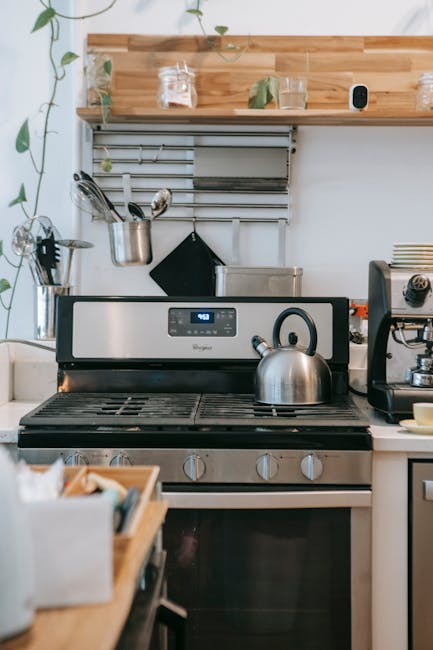
Common oven cleaning mistakes Islington landlords make
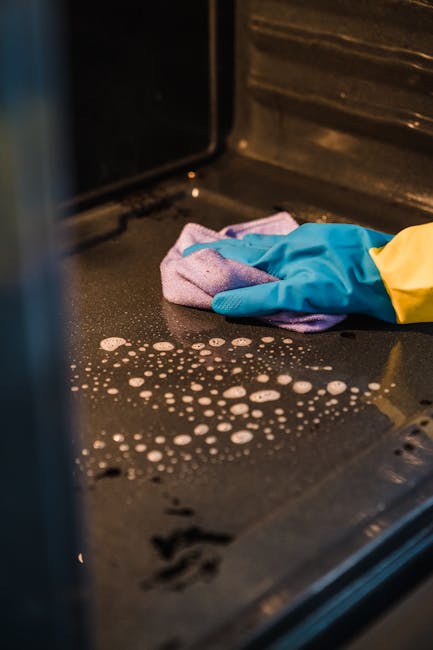
If you rent property in Islington, oven cleaning can look like a tiny job that should be sorted in ten minutes. Truth be told, it rarely works out that way. The most common oven cleaning mistakes Islington landlords make are usually small, practical slip-ups: using the wrong products, missing hidden grease, rushing the job before inspections, or assuming a quick wipe-down will satisfy an outgoing tenant check. Those errors can leave bad smells, stubborn carbon build-up, damaged enamel, or a last-minute scramble before check-out. This guide breaks down what goes wrong, why it matters, and how to handle oven cleaning properly so the kitchen looks cared for, not patched up at the last second.
Whether you manage one flat off Upper Street or a small portfolio of rentals near Angel or Finsbury Park, a clean oven does more than brighten a kitchen. It supports better tenant handovers, reduces avoidable complaints, and helps show that the property has been maintained with care. Let's get into the details.
Why these oven cleaning mistakes matter
Oven cleaning matters because ovens collect layered grime in a way that is easy to underestimate. A glass door may look fine from across the room, yet the fan cover, rails, seals, and corners can still be coated in grease and baked-on residue. That hidden build-up is where landlords get caught out.
In an Islington rental, the stakes are often practical rather than dramatic. A tenant leaving a property expects a clean kitchen. A letting agent expects a presentable appliance. A landlord wants to avoid unnecessary follow-up work, awkward messages, or complaints about cleanliness. If the oven smells smoky when it heats up, if the trays are stained, or if the seal is sticky, people notice. They always do.
There is also a wear-and-tear angle. Scrubbing too hard, using abrasive pads, or applying the wrong chemical can damage enamel, markings, rubber seals, or the glass. So the mistake is not just under-cleaning. Over-cleaning badly can cause its own problems. That's a bit frustrating, but it is a very real issue.
Practical takeaway: the best oven clean is not the fastest one. It is the one that removes grease safely, reaches the awkward spots, and leaves no residue behind.
Table of Contents
- Why these oven cleaning mistakes matter
- How proper oven cleaning should work
- Key benefits and practical advantages
- Who this is for and when it makes sense
- Step-by-step guidance
- Expert tips for better results
- Common mistakes to avoid
- Tools, resources and recommendations
- Law, compliance, standards and best practice
- Options, methods and comparison table
- Case study or real-world example
- Practical checklist
- Conclusion
- Frequently Asked Questions
How proper oven cleaning should work
A proper oven clean follows a simple logic: loosen, lift, remove, then finish. That sounds basic, but skipping any stage is exactly where landlords run into trouble.
First, the oven needs a cold, safe working state. Shelves, trays, and removable parts should come out before anything else. Next, the main deposits are softened with a suitable cleaner or degreaser. Once the grime has loosened, it can be wiped or lifted away rather than scraped endlessly. After that, the details matter: the door edges, hinges, control panel, fan area, and seal all need attention. Finally, the oven should be dried and checked for residue, so no chemical smell or streaks are left behind.
For landlords, the process also needs to be repeatable. One flat may have a lightly used oven; another may have a forgotten roast tray, a thick layer of grease under the door, and a fan that has been baking residue for months. The method has to adjust to the oven's condition. That is where many DIY jobs fall apart. The same cloth-and-spray routine just is not enough every time.
If you are comparing the broader service picture, the same careful approach shows up across professional oven cleaning and wider property care such as deep cleaning or end of tenancy cleaning. The principle is the same: detail first, speed second.
Key benefits and practical advantages
Doing oven cleaning properly gives landlords a few quiet but valuable wins. Nothing flashy. Just the sort of advantages that stop headaches later on.
- Cleaner handovers: A fresh oven improves the overall impression of the kitchen, even if the rest of the property is already in good shape.
- Fewer complaints: Tenants are less likely to push back on cleanliness when the oven, racks, and door are actually spotless.
- Better maintenance visibility: A clean oven makes it easier to spot faults like damaged seals, worn fan covers, or broken shelves.
- Less odour and smoke: Burnt residue can create unpleasant smells when the oven is switched on, which is never a good look at move-in.
- Reduced damage risk: Gentle, correct cleaning protects the appliance's surfaces and internal components.
- More efficient inspections: Letting agents and inventory clerks tend to move through a property faster when appliances are visibly cared for.
There is a less obvious benefit too. A clean oven quietly signals that the landlord pays attention. That matters in a competitive rental market. It is not about perfection. It is about showing that the property has been looked after with a steady hand.
Who this is for and when it makes sense
This advice is mainly for landlords, but it also helps anyone who manages rental kitchens in practice. That includes small portfolio landlords, resident landlords, managing agents, and property managers handling one-off void periods between tenancies.
It makes sense to focus on proper oven cleaning when:
- a tenant is moving out and an inventory check is due;
- a new tenant is about to move in and the kitchen needs a fresh start;
- the oven has visible grease, burnt spills, or lingering smells;
- a property has been left empty for a while and needs a reset;
- you want to reduce back-and-forth over cleaning standards.
If the property needs more than a single appliance clean, it can be sensible to combine it with one-off cleaning or wider domestic cleaning. For some landlords, especially those managing several rooms or a whole house, that is the more efficient route. No shame in that. It simply saves time.
Step-by-step guidance
Here is a straightforward way to approach the job without making a mess of it.
- Switch off and cool the oven completely. This sounds obvious, but rushing a warm oven often leads to smeared residue and a slightly singed hand. Not ideal.
- Remove trays, racks and loose parts. Soak these separately if needed. They usually carry more grime than the main cavity.
- Protect the surrounding kitchen. Lay down towels or paper where drips might fall. On older rental kitchens, a bit of forethought saves a lot of wiping later.
- Apply a suitable cleaner carefully. Use enough to soften grease, but do not flood the oven. Seals, fans and electrics do not enjoy unnecessary liquid.
- Let it dwell for the right amount of time. Give the cleaner time to work. Scrubbing immediately is often what leaves people tired and underwhelmed.
- Wipe, lift and repeat where needed. A second pass is normal. The stubborn bits are usually in corners, along the door glass, and around the fan.
- Clean the door, handle and control area. Tenants notice these first because they touch them every day.
- Dry everything thoroughly. Leftover moisture can cause streaks or a whiff of cleaning product on first use.
- Reassemble and test visually. Check from a low angle. That is where sticky patches reveal themselves.
A little rhythm helps here. Loosen, wait, lift. Loosen, wait, lift. Simple enough, but easy to rush when you are under pressure.
Expert tips for better results
In our experience, the best results come from patience rather than force. That may not sound exciting, but it saves you from damaging the oven or leaving streaks behind.
- Tackle the oven before the rest of the kitchen. Once grease softens, it can spread if you start wiping nearby surfaces first.
- Check the manufacturer guidance where available. Some finishes and self-cleaning features need a lighter touch.
- Use microfiber cloths for the final pass. They pick up residue better than paper towels and are less likely to leave lint.
- Pay special attention to the door seal. Dirt trapped there can cause smells and poor closure.
- Use a separate cloth for glass. It keeps grease from being dragged back onto the inside pane.
- Ventilate the room. Even mild cleaning products can linger in a compact Islington kitchen, especially in a flat with limited airflow.
One useful habit is to photograph the oven after cleaning, especially at the end of a tenancy. That gives you a clear record if there is later disagreement about condition. It is a small admin step, but it can be genuinely helpful. A bit boring, yes. Also useful.
Common mistakes to avoid
Here is the part that tends to save landlords the most time and money. These are the errors that show up again and again.
1. Cleaning only the visible surfaces
A shiny door and clean shelves can create a false sense of completion. The hidden build-up behind the glass, around the fan, and inside the seals is what causes problems later.
2. Using abrasive pads on delicate finishes
Scrubbing pads, wire wool, and harsh scourers can scratch enamel or damage glass. Once the surface is marked, it is difficult to reverse. Better to soften the grime and wipe it away gently.
3. Forgetting the oven racks and trays
It happens all the time. The main cavity gets attention, but the racks stay greasy and the trays go back in stained. Then the oven still looks half-done. Which, fair enough, is exactly how tenants judge it.
4. Ignoring the smell test
Sometimes an oven looks clean but still smells burnt when heated. That usually means residue remains in a hidden area. If you skip a final heat-check after cleaning, you may miss it.
5. Using too much product
More cleaner does not always mean better cleaning. Excess product can pool in corners, leave streaks, or create a chemical smell the next time the oven is turned on.
6. Rushing the dwell time
Many landlords wipe products off too quickly. Then they have to scrub harder, which increases the risk of damage and still leaves grime behind. Let the product work properly.
7. Forgetting the small touchpoints
Handles, knobs, knobs' edges, and the strip along the door frame are easy to miss. Yet these are often the first areas people see and touch.
8. Treating every oven the same
A compact flat oven, a larger range cooker, and a well-used rental oven do not need identical treatment. The mistake is assuming one routine covers everything.
9. Not checking the final result under better light
Kitchen lighting can be deceptive. A quick inspection by daylight or a bright torch often reveals greasy smears you missed at first glance. Annoying? Yes. Useful? Absolutely.
Tools, resources and recommendations
You do not need a mountain of kit to clean an oven properly, but the right tools make a big difference.
| Tool or item | What it helps with | Best use |
|---|---|---|
| Microfiber cloths | Lifting grease and polishing surfaces | Final wipe, glass, handles and external panels |
| Non-abrasive sponge | General wiping without scratching | Door edges, cavity walls and racks |
| Suitable degreaser | Softening baked-on grease | Stubborn patches and thick residue |
| Warm water | Rinsing residue away | After cleaner dwell time |
| Old towels or floor protection | Protecting cabinets and flooring | During the clean |
| Small brush or detail cloth | Reaching grooves and corners | Door seals, vents and crevices |
For landlords who prefer to outsource the work, a reputable cleaning company can often coordinate an oven clean alongside a broader property clean. If the property needs carpet attention at the same time, pairing it with carpet cleaning can make the whole place feel properly reset.
If you are planning repeated turnarounds, it is also worth reviewing pricing and quotes early rather than waiting until the last minute. That simple step can keep the void period calmer.
Law, compliance, standards and best practice
This topic does not usually turn on one single piece of law, but landlords in the UK still need to think about safety, habitability, and the agreed condition of the property. In practice, that means the oven should be clean enough for safe, normal use and consistent with the level of cleanliness expected at handover.
Best practice is to follow the tenancy agreement, check-in inventory, and any relevant letting agent guidance. If the property was handed over with a professionally cleaned oven, then returning it in a similar state is usually the sensible benchmark. If the appliance has damage, not just dirt, it is better to document it rather than try to scrub around the issue.
Health and safety also matters. Strong chemicals, hot surfaces, and poor ventilation are a bad mix in a small kitchen. If cleaning agents are used, they should be applied carefully and stored safely. If you want a sense of how a provider thinks about this sort of thing, the pages on health and safety policy and insurance and safety are useful reference points for reassurance, even if you are only comparing options.
And a small but important note: if a landlord is unsure about the safest way to clean a specialist oven finish or a heavily neglected appliance, it is better to pause and get professional help than to gamble with damage. That is not over-cautious. It is sensible.
Options, methods and comparison table
Different landlords handle oven cleaning in different ways. Some do it themselves between tenants. Some hire a specialist. Some combine it with a bigger clean. Here is a simple comparison to make the choice clearer.
| Method | Best for | Pros | Watch-outs |
|---|---|---|---|
| DIY oven clean | Light to moderate dirt, low-pressure turnovers | Lower direct cost, flexible timing | Easy to miss hidden grime; higher damage risk if rushed |
| Specialist oven cleaning | Heavy grease, final handovers, busy landlords | More detailed, efficient, usually better finish | Extra cost, needs booking |
| Combined end-of-tenancy clean | Full property turnaround | One coordinated service, saves admin time | May cost more upfront if only the oven is dirty |
For many Islington landlords, the real question is not "Can I clean it myself?" but "Is my time better spent elsewhere?" If you are handling multiple tasks, then a focused specialist clean can be the smarter move. If the oven only needs a light refresh, a careful DIY clean may be perfectly fine.
Case study or real-world example
Here is a realistic scenario. A landlord in a Victorian conversion near Highbury has a two-bedroom flat turning over on a Friday. The outgoing tenant has left the oven looking acceptable at first glance. Door glass is mostly clear. Shelves are back in place. Job done? Not quite.
On a closer look, the fan cover has greasy streaks, the seal has a sticky edge, and there is a burnt spill under the lower tray. The first instinct is to spray more cleaner and scrub harder. That would have been the mistake. Instead, the landlord removes the trays, lets the cleaner sit, wipes the residue in stages, and checks the oven again in better light. The smell improves, the glass clears, and the kitchen passes handover without a fuss.
The useful lesson here is simple: the visible part of the oven is only part of the story. In a turnover situation, the difference between "looks okay" and "actually clean" can be a few hidden minutes of careful work. Those few minutes matter.
Practical checklist
Use this checklist before a tenancy handover or property inspection. It keeps the job grounded and stops little omissions from becoming bigger problems.
- Has the oven cooled fully before cleaning started?
- Have racks, trays and removable parts been cleaned separately?
- Has the door glass been cleaned inside and out?
- Have the seal, hinges and handles been checked carefully?
- Has grease been removed from corners, vents and the fan area?
- Has the oven been dried properly after wiping?
- Has the appliance been inspected in bright light for streaks or residue?
- Has any unusual smell been checked when the oven is warmed briefly?
- Have photos been taken for the inventory file?
- Have any damaged parts been noted rather than disguised?
If you can tick all of those off, you are in good shape. If not, it is worth another pass. Better ten extra minutes now than a complaint later.
Get a free quote today and see how much you can save.
Conclusion
The common oven cleaning mistakes Islington landlords make are usually not dramatic. They are the ordinary little oversights: rushing, overusing chemicals, ignoring hidden grime, or forgetting the final inspection. But those small errors can leave a property feeling unfinished, and in rental work, "unfinished" is rarely good enough.
A careful oven clean protects the appliance, improves the handover, and makes the whole kitchen feel more welcoming. That is what tenants notice, and what agents tend to remember too. If you keep the process simple, safe and methodical, you will avoid most of the stress that usually comes with move-out cleaning. Bit by bit, that adds up.
And honestly, a clean oven is one of those tiny details that makes a rental property feel properly cared for. Which is exactly the point, really.
Frequently Asked Questions
What are the most common oven cleaning mistakes landlords make?
The biggest mistakes are cleaning only the obvious parts, using abrasive tools, not waiting for the cleaner to work, and forgetting the racks, seals and fan area. Those hidden spots are where the trouble usually lives.
Why does oven cleaning matter at the end of a tenancy?
It affects how the kitchen is perceived at handover. A clean oven helps reduce disputes, improves the first impression for the next tenant, and shows that the property has been cared for properly.
Can a landlord clean an oven themselves?
Yes, if the oven is in manageable condition and the landlord is comfortable working carefully. The main thing is to avoid damage, use suitable products, and inspect the finish properly before sign-off.
When should a landlord book professional oven cleaning instead?
It makes sense when the oven has heavy grease, stubborn smells, awkward fittings, or when the turnaround is tight and you need a reliable finish without the time cost of doing it yourself.
Do tenants expect the oven to be spotless?
Usually, yes, especially at move-in or move-out. Expectations can vary slightly, but in most rental situations the oven should be clean, usable, and free from grease build-up or strong odours.
What parts of the oven do landlords often forget?
The seal, fan cover, door edges, tray runners, and the underside of shelves are the most commonly missed areas. They are easy to overlook, which is why final checks matter so much.
Is it safe to use strong chemicals on an oven?
Only if they are appropriate for the appliance and used carefully. Strong cleaners can damage some finishes or leave residue, so it is best to follow product guidance and avoid over-application.
How long does a proper oven clean usually take?
It depends on the condition of the oven. Light cleaning may be fairly quick, while a heavily used rental oven can take longer because the grime needs time to soften before it can be removed cleanly.
Can oven cleaning help with lingering smells?
Yes. Burnt residue is a common cause of bad smells when an oven heats up. Cleaning the hidden grease and spills usually helps a lot, provided the oven is dried properly afterwards.
Should oven cleaning be done before or after other end-of-tenancy cleaning?
Usually before, or at least early in the process. Grease and residue can drip or spread, so it is often easier to tackle the oven first and then finish surrounding surfaces.
What records should a landlord keep after cleaning the oven?
Photos, inventory notes, and any comments about damage or unusual wear are useful. They help if there is a later question about condition or responsibility.
Where can landlords find related cleaning support in Islington?
If the oven clean is part of a wider turnaround, services such as end of tenancy cleaning, oven cleaning, or cleaners can help keep the job organised and consistent.